

Hypertension in pregnancy is one of the most common and potentially serious medical conditions affecting expectant mothers worldwide. Also known as pregnancy high blood pressure, this condition can develop before conception or emerge after 20 weeks of gestation. While many women experience mild cases that resolve after delivery, others may face life-threatening complications if the condition is not properly monitored and treated.
Understanding hypertension in pregnancy is essential for early detection, safe management, and long-term maternal health. This guide explores the types of hypertensive disorders, preeclampsia symptoms, risk factors for hypertension in pregnancy, potential complications, and evidence-based strategies for managing hypertension during pregnancy and supporting preeclampsia prevention.
Hypertension in pregnancy refers to elevated blood pressure readings of 140/90 mmHg or higher during pregnancy. Blood pressure measures the force of blood against artery walls. When it remains consistently elevated, it can damage blood vessels and vital organs.
Pregnancy high blood pressure falls into several clinical categories, each with distinct features and risks.
Chronic hypertension is high blood pressure diagnosed before pregnancy or before 20 weeks of gestation. It may also persist beyond 12 weeks postpartum. Women with chronic hypertension require careful prenatal monitoring, as they have a higher likelihood of complications.
Gestational hypertension is new-onset hypertension occurring after 20 weeks of pregnancy without protein in the urine or signs of organ damage. Although often considered milder than preeclampsia, gestational hypertension can progress and therefore requires close observation.
Preeclampsia is a serious complication characterised by hypertension after 20 weeks combined with signs of organ dysfunction. These may include proteinuria, low platelet count, impaired liver function, kidney problems, pulmonary edema, or neurological symptoms. Recognising preeclampsia symptoms early is critical to preventing severe outcomes.
Eclampsia is the most severe form of hypertension in pregnancy and involves seizures in a woman diagnosed with preeclampsia. It is a medical emergency that requires immediate treatment and usually delivery.
This occurs when a woman with chronic hypertension develops worsening blood pressure and new signs of organ damage during pregnancy.
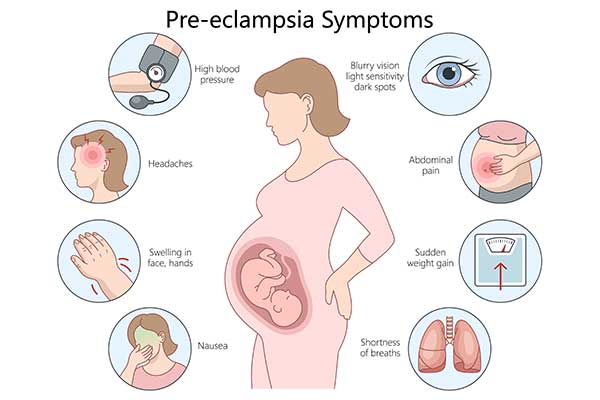
Early identification of preeclampsia symptoms can save lives. While some women may not notice obvious warning signs, common symptoms include:
Any of these symptoms, particularly in combination with pregnancy high blood pressure, should prompt immediate medical evaluation.
Several factors increase the risk of developing hypertension in pregnancy. Understanding these risk factors for hypertension in pregnancy helps healthcare providers identify women who need closer monitoring.
Women experiencing their first pregnancy are at increased risk, possibly due to immunological adaptations occurring for the first time.
Women under 20 or over 35 face a higher likelihood of gestational hypertension or preeclampsia.
Excess body weight contributes to systemic inflammation and vascular dysfunction, significantly increasing the risk of pregnancy high blood pressure.
Women who previously experienced preeclampsia have a higher recurrence risk in subsequent pregnancies.
Carrying twins or more increases cardiovascular demands and raises the risk of hypertensive disorders.
Pre-existing Conditions
Chronic hypertension, diabetes, kidney disease, and autoimmune disorders all increase susceptibility.
A family history of hypertension in pregnancy may indicate genetic predisposition.

When unmanaged, hypertension in pregnancy can lead to serious maternal and fetal complications.
Sustained high blood pressure can impair kidney function, elevate liver enzymes, and increase the risk of stroke.
A severe form of preeclampsia involving Hemolysis, Elevated Liver enzymes, and Low Platelets. It can develop rapidly and requires urgent intervention.
High blood pressure may cause the placenta to separate prematurely from the uterus, leading to bleeding and fetal distress.
Women with severe hypertension face increased risks of stroke, heart attack, and pulmonary edema.
Reduced placental blood flow can limit oxygen and nutrient delivery, slowing fetal growth.
Hypertensive disorders are a leading cause of medically indicated early delivery.
Restricted growth often results in babies being born smaller than expected.
Severe placental insufficiency may result in fetal demise.
Babies born preterm or growth-restricted often require neonatal intensive care.
Managing hypertension during pregnancy requires a personalised approach based on severity, gestational age, and maternal-fetal health status.
Regular blood pressure checks are essential. Urine tests assess protein levels, and blood tests monitor kidney and liver function. Fetal surveillance through ultrasound and non-stress testing ensures the baby’s well-being.
Several medications are considered safe for managing hypertension during pregnancy, including:
Severe hypertension may require intravenous medications in hospital settings. ACE inhibitors and ARBs are generally avoided during pregnancy.
Women with severe preeclampsia may receive magnesium sulphate to prevent seizures.
While medication may be necessary, lifestyle adjustments support blood pressure control:
Delivery is the definitive treatment for preeclampsia. The timing depends on gestational age and severity. Mild cases may continue to 37 weeks, while severe cases may require earlier delivery.
Although not all cases are preventable, certain measures reduce risk.
For women at high risk, doctors may recommend daily low-dose aspirin beginning in early pregnancy.
In populations with low dietary calcium intake, supplementation may reduce preeclampsia risk.
Weight optimisation before conception lowers the likelihood of pregnancy high blood pressure.
Consistent antenatal visits enable early detection and intervention.
The impact of hypertension in pregnancy extends beyond childbirth. Women who experience gestational hypertension or preeclampsia face increased lifetime risks of:
Postpartum blood pressure monitoring is essential, as blood pressure can remain elevated for weeks after delivery. Long-term cardiovascular screening and heart-healthy lifestyle habits are strongly recommended.
Women planning future pregnancies should consult their healthcare provider early. Preventive strategies such as aspirin therapy and preconception health optimisation can reduce recurrence risk.
What is the difference between gestational hypertension and preeclampsia?
Gestational hypertension involves high blood pressure after 20 weeks without organ damage, while preeclampsia includes additional systemic complications.
Can hypertension in pregnancy go away after delivery?
In many cases, gestational hypertension resolves postpartum. However, some women develop chronic hypertension.
How is pregnancy high blood pressure diagnosed?
Diagnosis involves repeated blood pressure measurements and urine tests for protein.
Is preeclampsia prevention possible?
While not entirely preventable, early care, aspirin therapy in high-risk women, and healthy lifestyle practices reduce risk.
Hypertension in pregnancy is a complex but manageable condition when detected early and treated appropriately. By recognising preeclampsia symptoms, understanding risk factors for hypertension in pregnancy, and focusing on managing hypertension during pregnancy, women can significantly reduce complications. Ongoing postpartum monitoring and attention to long-term cardiovascular health ensure that pregnancy high blood pressure does not compromise future well-being.
With proactive care, education, and timely intervention, most women with hypertension in pregnancy can achieve safe deliveries and healthy outcomes for themselves and their babies.
Unlock the power of your DNA • Discover yourself at a genetic level
Understand your health predispositions and take control • Live a longer and healthier life