As featured on Kiss92 FM Singapore.
–> Listen Here <–

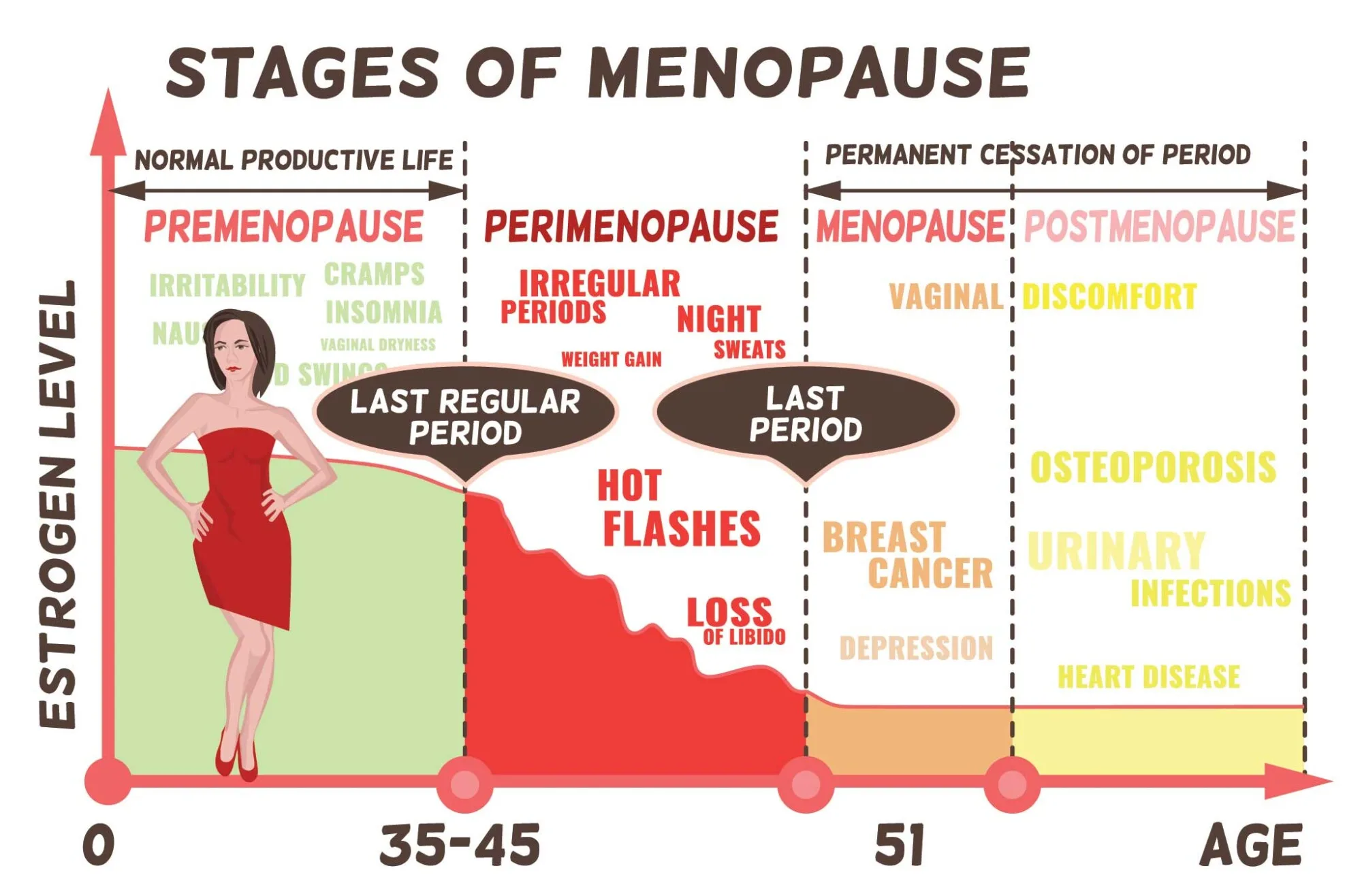
Managing menopause is an important part of protecting long‑term health. The menopausal transition is a natural biological stage, yet it often brings a range of physical and metabolic changes. Among the most important – but often overlooked – are shifts in cholesterol levels and cardiovascular risk.
Menopause occurs when the ovaries gradually stop producing estrogen and progesterone. These hormone changes in menopause influence many processes in the body, including metabolism, body fat distribution, and cholesterol regulation. As a result, many women notice menopause symptoms such as hot flashes, sleep disturbances, mood changes, and menopause and weight gain. At the same time, cholesterol levels may begin to shift in ways that increase cardiovascular risk.
Research shows that after menopause, levels of LDL (“bad”) cholesterol and triglycerides often rise while protective HDL (“good”) cholesterol may decline. These changes mean cholesterol management in menopause becomes an important part of maintaining long‑term health.
Fortunately, understanding the biology behind menopause and making targeted menopause lifestyle changes can significantly reduce risk. With the right combination of nutrition, exercise, monitoring, and medical guidance, managing menopause can be an empowering step toward better heart health and overall well-being.
In this guide, we explore menopause symptoms, the connection between menopause and cholesterol, and science‑based strategies for managing menopause while reducing cardiovascular risk.
The most significant driver of metabolic change during menopause is the decline in estrogen. Estrogen plays a protective role in cardiovascular health by helping regulate how the body processes cholesterol and fats.
When estrogen levels decline, these protective mechanisms weaken. This is why menopause and cholesterol are closely connected.
According to the American Heart Association, cardiovascular risk in women rises significantly after menopause due to hormonal changes and aging combined. The shift does not occur overnight. Instead, it develops gradually during perimenopause and the years following menopause.
Understanding these hormone changes in menopause allows women to take proactive steps to protect their cardiovascular health early in the transition.
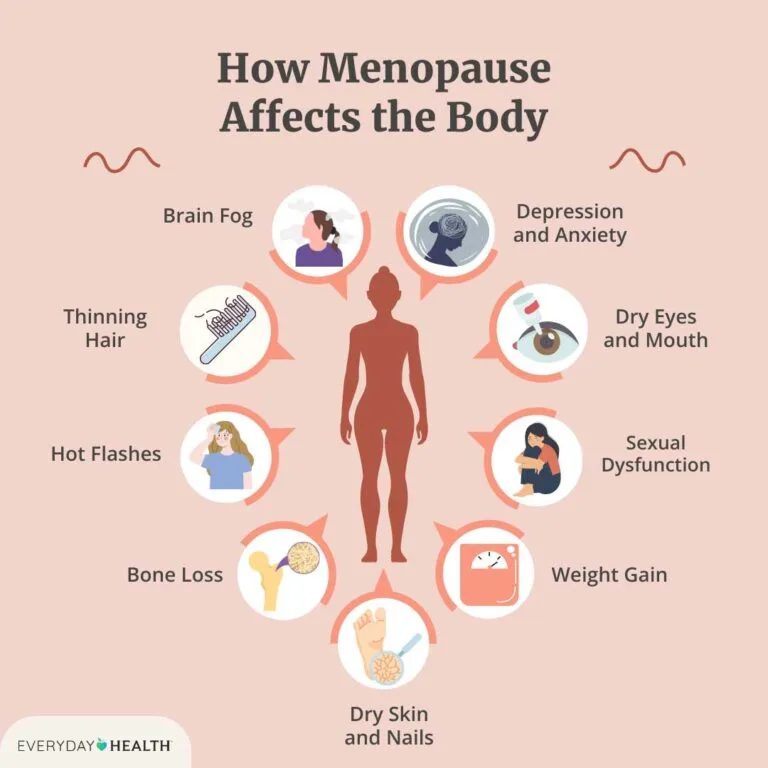
Menopause symptoms vary widely between individuals, but several common patterns occur during the transition.
Typical menopause symptoms include:
Menopause and weight gain are particularly relevant for heart health. Hormonal changes can lead to increased fat storage around the abdomen, known as visceral fat. This type of fat is metabolically active and strongly associated with elevated LDL cholesterol, insulin resistance, and inflammation.
The combination of menopause symptoms and metabolic changes means that managing menopause requires a holistic approach that addresses lifestyle, nutrition, and preventive healthcare.
One of the most significant health changes during menopause is the alteration of lipid profiles.
Typical cholesterol shifts during menopause include:
Increase in LDL cholesterol
LDL cholesterol often rises by 10–20% during the menopausal transition. Elevated LDL contributes to plaque buildup in arteries.
Decrease in HDL cholesterol
HDL cholesterol helps remove excess cholesterol from the bloodstream. Levels may decline slightly after menopause.
Higher triglycerides
Triglyceride levels can increase due to metabolic changes, reduced estrogen, and lifestyle factors.
Changes in LDL particle size
Research suggests that LDL particles may become smaller and denser during menopause. These particles are more likely to contribute to arterial plaque formation.
These changes help explain why menopause and cardiovascular risk are closely linked. According to the World Health Organization, cardiovascular disease is the leading cause of death among women worldwide.
Regular monitoring and cholesterol management in menopause are therefore essential for long‑term health.
The connection between menopause and cardiovascular risk is influenced by several interacting factors.
Hormonal changes
Reduced estrogen decreases vascular protection and affects lipid metabolism.
Menopause and weight gain
Abdominal fat accumulation increases inflammation and worsens cholesterol profiles.
Age‑related metabolic slowdown
As metabolism slows, the body processes fats and sugars less efficiently.
Lifestyle factors
Diet, physical activity, alcohol intake, and sleep patterns all affect cholesterol levels.
Because these factors often occur simultaneously, managing menopause requires addressing both hormonal and lifestyle influences on health.
Lifestyle strategies are the most effective first step in managing menopause and improving cholesterol levels.
Adopting a Mediterranean‑style diet is strongly supported by research. This diet emphasises:
At the same time, it is important to limit:
The British Heart Foundation notes that diets high in fibre and healthy fats can significantly improve cholesterol levels and reduce cardiovascular risk.
Exercise plays a crucial role in managing menopause and cholesterol.
Benefits include:
Experts recommend at least 150 minutes of moderate aerobic exercise per week combined with strength training twice weekly.
Poor sleep and chronic stress can worsen menopause symptoms and metabolic health. Mindfulness practices, yoga, meditation, and adequate sleep support hormone balance and heart health.
Together, these menopause lifestyle changes form the foundation of effective menopause management.
Monitoring cholesterol becomes increasingly important during midlife.
Healthcare providers typically recommend regular lipid panel testing to assess:
A baseline test during perimenopause helps establish a reference point. Follow‑up testing every few years – or more frequently if levels are elevated – helps track changes and guide treatment decisions.
In addition to lifestyle changes, doctors may recommend medication when cholesterol levels remain high.
Statins are the most commonly prescribed medications for lowering LDL cholesterol. They work by reducing cholesterol production in the liver.
In some cases, hormone therapy may also influence cholesterol levels, although it is generally not prescribed solely for cholesterol management.
Medical guidance ensures that cholesterol management in menopause is safe, personalised, and effective.
Menopause and weight gain often occur together due to hormonal shifts and changes in metabolism.
Reduced estrogen encourages fat storage around the abdomen. This visceral fat increases cardiovascular risk and contributes to higher cholesterol levels.
However, research shows that even modest weight loss – around 5–10% of body weight – can significantly improve lipid profiles, reduce inflammation, and lower cardiovascular risk.
Strategies that help address menopause and weight gain include:
These strategies support metabolic health while also reducing menopause symptoms.
Because menopause and cardiovascular risk are closely linked, prevention strategies are essential.
Key steps include:
Regular health screenings
Monitoring cholesterol, blood pressure, blood sugar, and weight helps detect risk factors early.
Healthy nutrition
Prioritising anti‑inflammatory foods supports cholesterol control and heart health.
Active lifestyle
Physical activity strengthens the heart and improves metabolic function.
Smoking cessation
Smoking dramatically increases cardiovascular risk, especially after menopause.
Medical guidance
Working with healthcare providers ensures appropriate screening, treatment, and prevention strategies.
Organisations such as the American Heart Association, the World Health Organization, and the NHS provide evidence‑based guidance on heart health and menopause management.
Managing menopause is not simply about addressing symptoms – it is about protecting long‑term health. Hormone changes in menopause can influence cholesterol levels, weight, and cardiovascular risk, but these changes can be managed with the right knowledge and proactive strategies.
By adopting heart‑healthy nutrition, staying physically active, monitoring cholesterol levels, and working closely with healthcare professionals, women can significantly reduce menopause‑related health risks.
Menopause represents a new stage of life, and with informed menopause lifestyle changes, it can also become an opportunity to prioritise health, resilience, and well-being for the decades ahead.
Unlock the power of your DNA • Discover yourself at a genetic level
Understand your health predispositions and take control • Live a longer and healthier life