
As featured on Kiss92 FM Singapore.
–> Listen Here <–
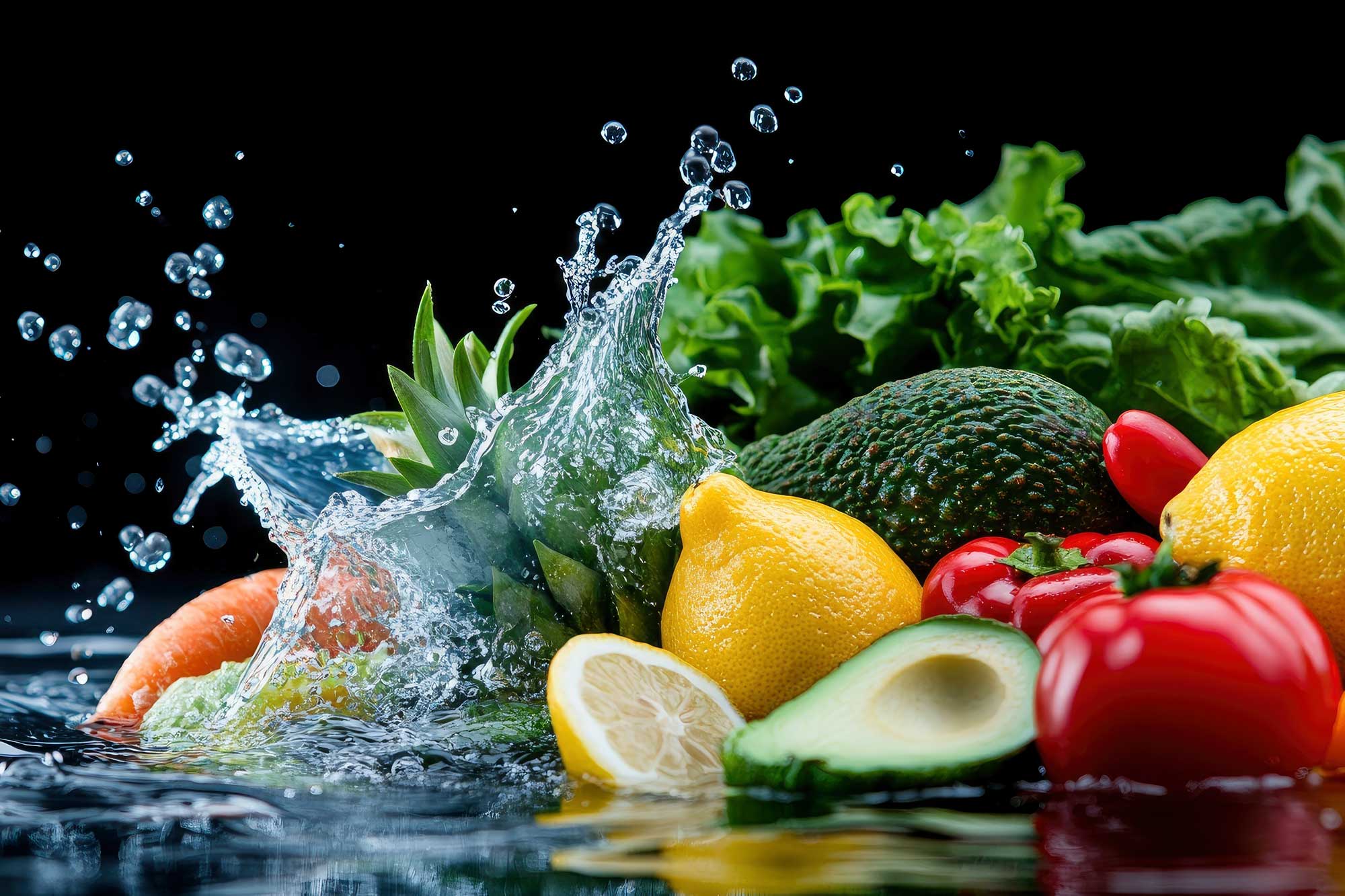
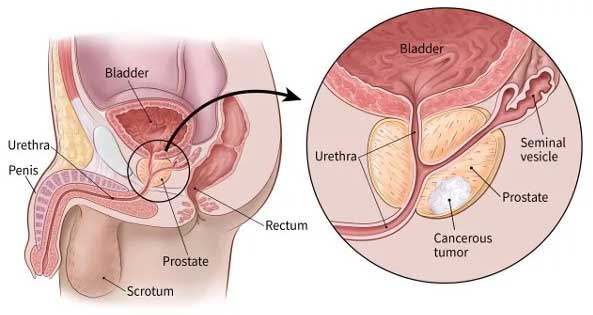
A well-planned prostate cancer diet can play a powerful supportive role alongside medical treatment. While no food can cure prostate cancer, growing research shows that strategic nutrition choices may help reduce inflammation, support immune function, manage treatment side effects, and potentially slow disease progression. Understanding the link between prostate cancer and lifestyle empowers men and their families to take practical, evidence-based steps toward better outcomes.
This comprehensive guide explores prostate cancer nutrition in depth – including foods to prevent prostate cancer, anti-inflammatory foods for prostate health, foods to avoid with prostate cancer, and the role of antioxidants. You’ll also find actionable tips tailored to common treatment pathways such as surgery, radiation, chemotherapy, and hormone therapy.
Prostate cancer and lifestyle factors are closely connected. Diet influences inflammation, hormone balance, oxidative stress, insulin sensitivity, and cardiovascular health – all of which affect long-term outcomes. Men undergoing treatment often face fatigue, muscle loss, bone thinning, and metabolic changes. Targeted prostate cancer nutrition strategies can help counter these effects.
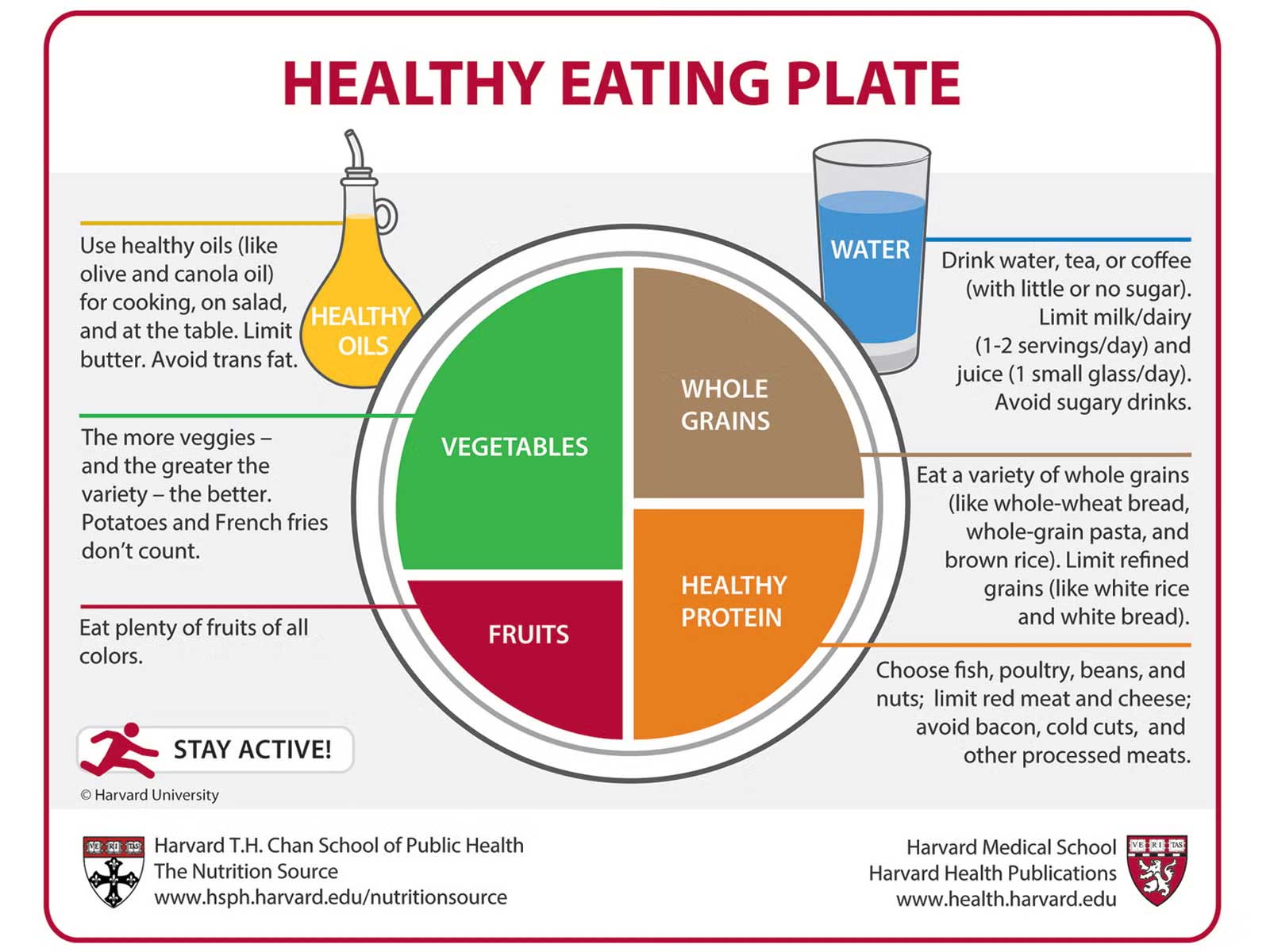
Research suggests that dietary patterns rich in plant foods and healthy fats are associated with improved overall survival and reduced prostate cancer and heart disease risk – an important consideration because cardiovascular disease is a leading cause of death among prostate cancer survivors.
Chronic inflammation may contribute to cancer progression. An anti-inflammatory dietary pattern focuses on:
These foods contain antioxidants and phytochemicals that help reduce oxidative stress and support immune defence.
Treatment may increase protein needs to preserve muscle mass. Choose lean and plant-based sources such as:
Adequate protein intake supports recovery, immune strength, and resilience during therapy.
Replace saturated and trans fats with unsaturated fats. Omega-3 fatty acids may help reduce inflammation and support cardiovascular health – especially important for men receiving androgen deprivation therapy.
Tomatoes are rich in lycopene, a powerful antioxidant studied for its potential protective role in prostate health. Cooked tomatoes (such as tomato paste or sauce) enhance lycopene absorption, especially when consumed with olive oil.
Broccoli, cauliflower, Brussels sprouts, and cabbage contain sulforaphane and indoles – compounds studied for their detoxification and anti-cancer properties.
Green tea provides catechins, antioxidants that may support cellular protection and reduce inflammation.
These foods are high in antioxidants and fibre, supporting gut health and reducing oxidative stress.
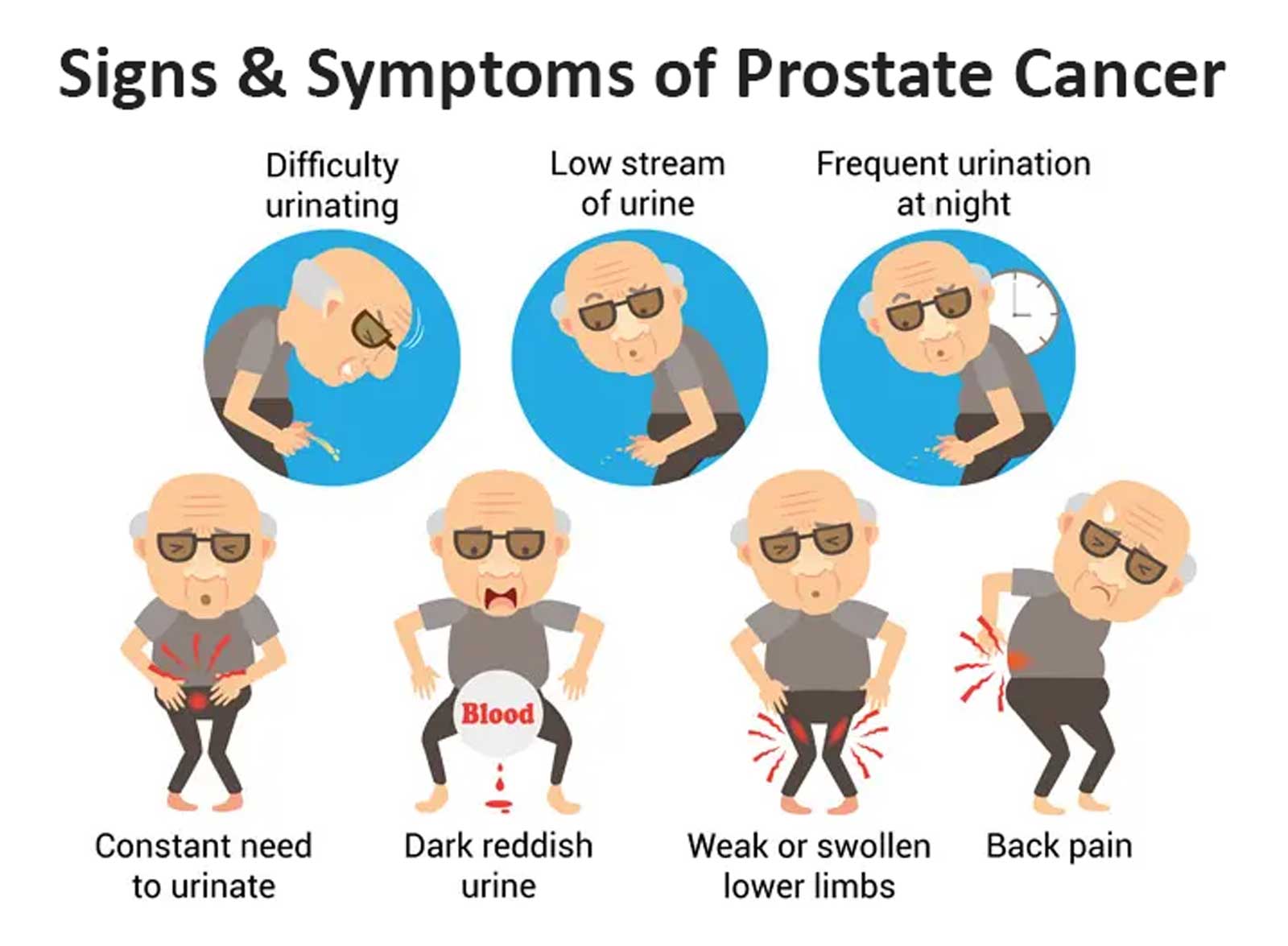
Limiting certain foods may help reduce inflammation and metabolic strain:
These foods may increase inflammation, insulin resistance, and cardiovascular risk.
If experiencing diarrhoea, temporarily reduce fibre and focus on easy-to-digest foods such as rice, bananas, and toast. Maintain hydration with water and electrolyte-rich broths.
Soft foods can help manage mouth sores. If appetite is low, try nutrient-dense smoothies with protein, nut butters, and fruit.
Androgen deprivation therapy may cause weight gain and bone loss. Emphasise calcium-rich foods, vitamin D, adequate protein, and resistance exercise to maintain bone density and muscle mass.
Antioxidants such as vitamins C and E, selenium, and plant polyphenols help neutralise free radicals. However, high-dose supplementation has not consistently shown benefit and may sometimes be harmful. Obtaining antioxidants primarily through whole foods is generally recommended.
A healthy gut microbiome supports immunity and may influence inflammation and hormone metabolism. Support gut health through fibre-rich foods, fermented foods like yogurt and kefir, and diverse plant intake.
Can diet cure prostate cancer?
No diet can cure prostate cancer, but optimal prostate cancer nutrition can support treatment and improve overall health.
Are dairy products harmful?
Moderate intake is generally acceptable, but excessive high-fat dairy may not be advisable. Discuss individual needs with your doctor.
Should I take supplements?
Supplements should only be taken under medical supervision. Whole-food sources of nutrients are preferred.
A strategic prostate cancer diet supports treatment, strengthens resilience, and promotes long-term health. Focusing on anti-inflammatory foods for prostate health, reducing processed foods, prioritising antioxidants from whole foods, and maintaining a healthy lifestyle creates a powerful foundation for recovery. Always consult your oncologist or registered dietitian before making major dietary changes, particularly during active treatment.
Unlock the power of your DNA • Discover yourself at a genetic level
Understand your health predispositions and take control • Live a longer and healthier life