
High blood pressure and kidney disease are closely connected health conditions that affect millions of people worldwide. When blood pressure remains elevated over time, it silently damages blood vessels throughout the body – especially in the kidneys. In fact, hypertension is one of the leading chronic kidney disease causes globally. Understanding how hypertension and kidney function are linked can help you prevent serious complications, including kidney failure and high blood pressure cycles that worsen over time.
This comprehensive guide explores the science behind high blood pressure and kidney disease, outlines kidney disease symptoms to watch for, explains kidney disease risk factors, and provides actionable strategies for protecting your long-term health.
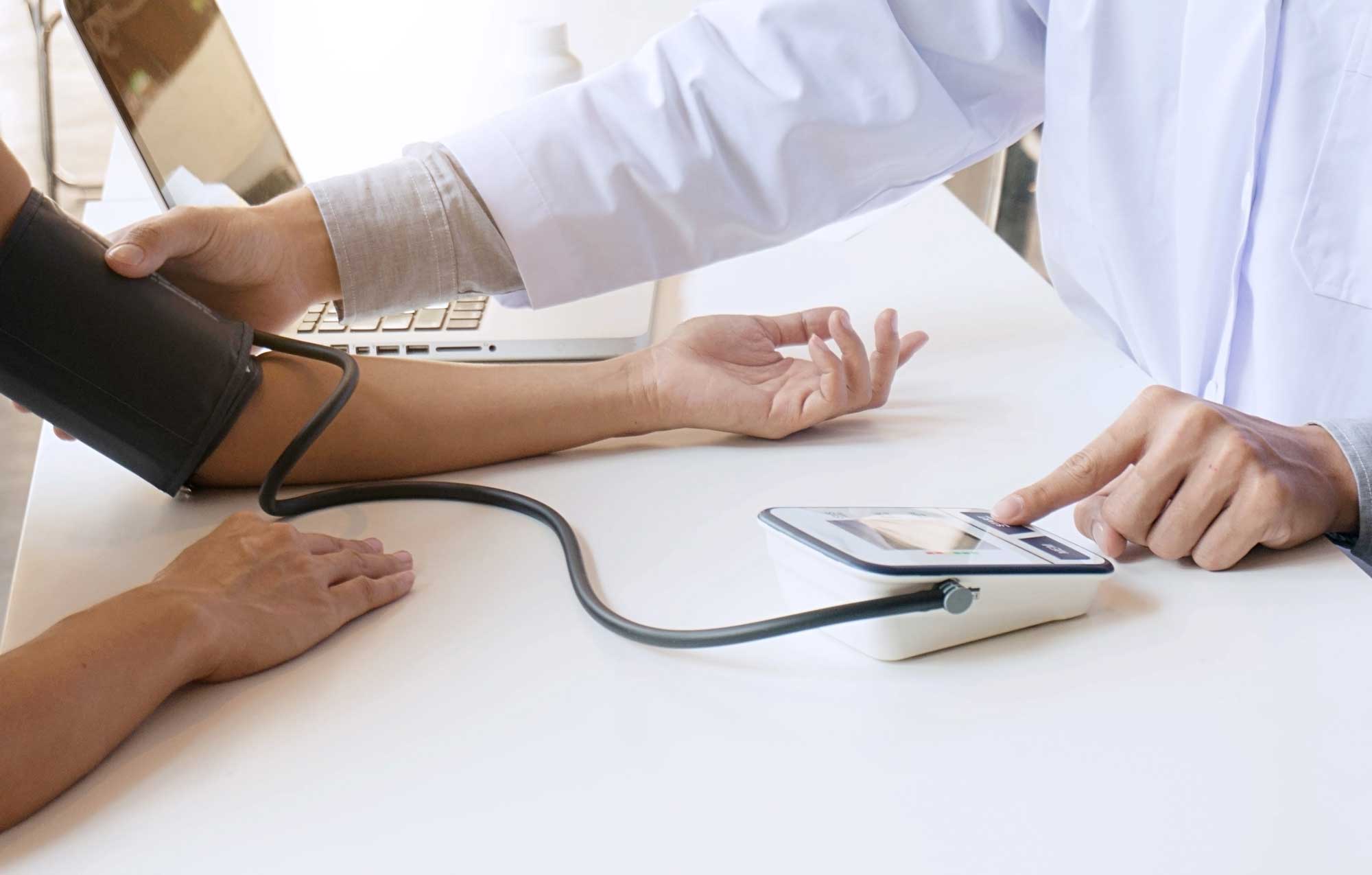
High blood pressure, also known as hypertension, occurs when the force of blood pushing against artery walls remains consistently too high. A normal reading is generally below 120/80 mmHg, while readings above 130/80 mmHg are considered elevated.
Hypertension is often called the ‘silent killer’ because it rarely causes symptoms until serious high blood pressure complications develop, including heart disease, stroke, and kidney damage.
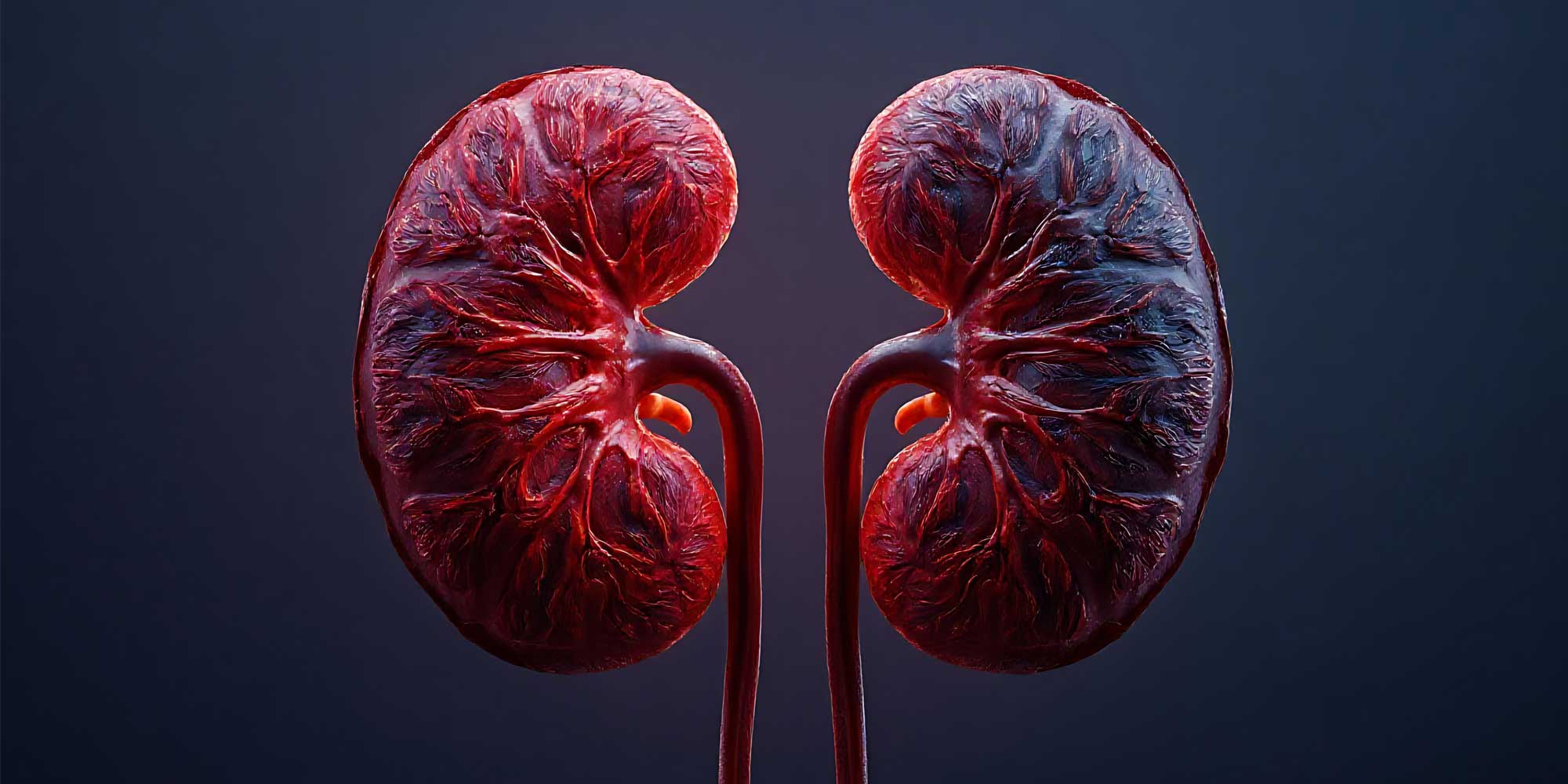
Your kidneys are two bean-shaped organs responsible for filtering waste, balancing fluids, regulating electrolytes, producing hormones, and supporting red blood cell production. Each kidney contains about one million tiny filtering units called nephrons.
Healthy kidneys maintain blood pressure balance through hormone regulation and sodium control. When kidney function declines, this balance is disrupted – often worsening hypertension.
The relationship between high blood pressure and kidney disease is deeply interconnected. Persistent hypertension damages the small blood vessels inside the kidneys, reducing their filtering capacity.
High pressure stretches and scars the glomeruli – the tiny filtering structures in each nephron. Over time, this leads to reduced filtration and waste buildup in the blood.
Hypertension contributes to artery narrowing (atherosclerosis), reducing blood supply to kidney tissue and impairing function.
Damaged kidneys may allow protein to leak into urine – an early sign of chronic kidney disease.
The connection works both ways. As kidney disease progresses, the kidneys lose their ability to regulate fluid and sodium balance.
Fluid retention increases blood volume, raising blood pressure further. This dangerous cycle can accelerate kidney failure and high blood pressure progression.
The most common chronic kidney disease causes include:
Early kidney disease symptoms are often subtle. As function declines, symptoms may include:
When left unmanaged, high blood pressure complications can include:
Emphasise fruits, vegetables, whole grains, lean protein, and low-fat dairy. Reduce sodium intake to under 2,300 mg daily – or lower if advised by your doctor.
Regular tracking helps detect patterns and ensures medications are effective.
Even modest weight loss can significantly improve hypertension and kidney function outcomes.
Aim for at least 150 minutes of moderate aerobic activity weekly.
ACE inhibitors and ARBs are commonly prescribed to protect kidney function while lowering blood pressure.
Smoking accelerates vascular damage. Reducing alcohol intake helps control blood pressure.
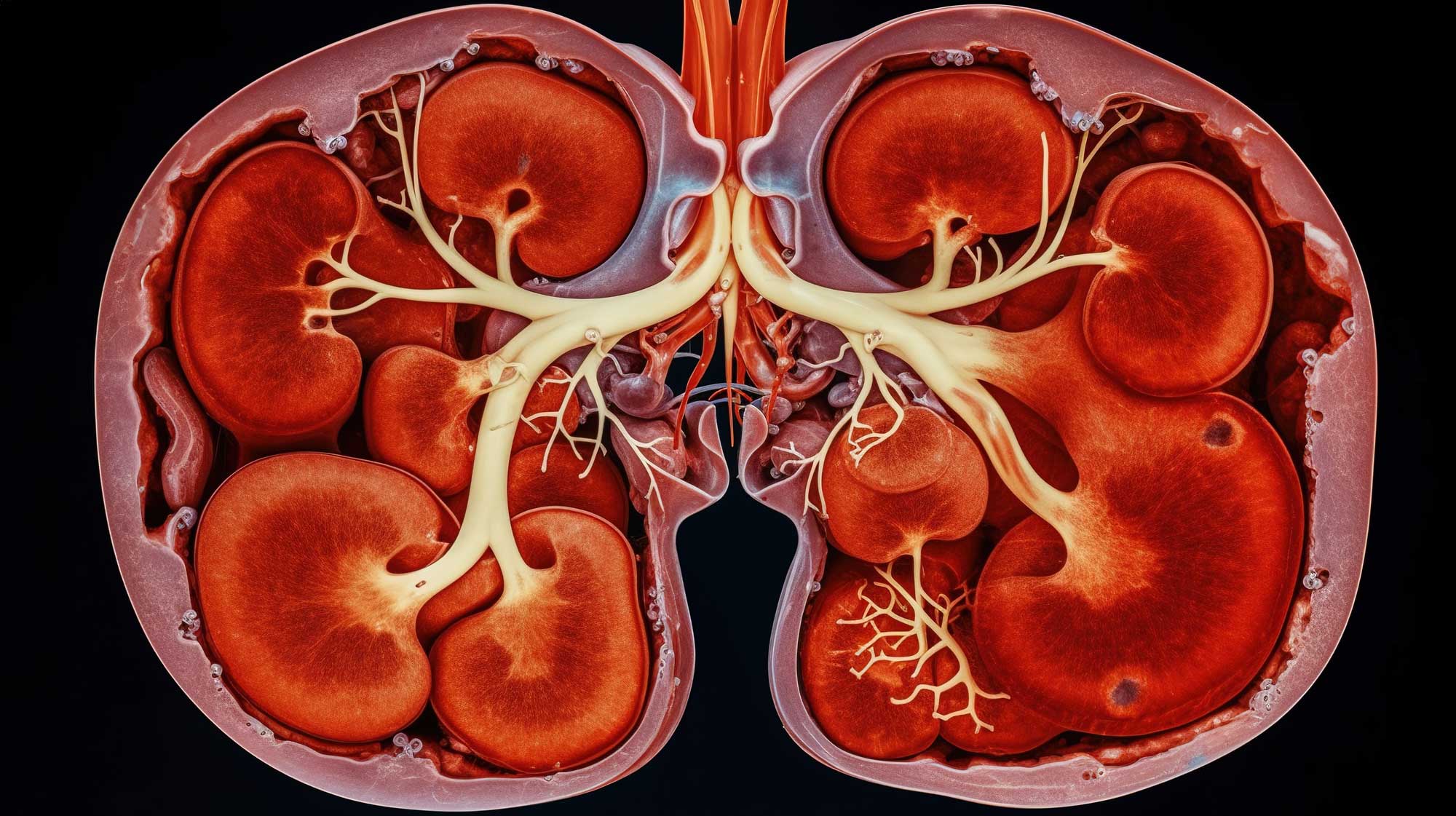
Regular screening includes blood pressure checks, urine albumin tests, serum creatinine levels, and estimated glomerular filtration rate (eGFR) measurements.
Early detection dramatically slows progression toward kidney failure and high blood pressure complications.
For evidence-based information, consult these trusted organisations:
High blood pressure and kidney disease form a dangerous cycle – but it is preventable and manageable. By understanding chronic kidney disease causes, recognising kidney disease symptoms early, addressing kidney disease risk factors, and taking proactive steps to manage hypertension and kidney function, you can significantly reduce your risk of kidney failure and high blood pressure complications.
Small, consistent lifestyle changes combined with medical guidance can protect your kidneys for decades to come.
Unlock the power of your DNA • Discover yourself at a genetic level
Understand your health predispositions and take control • Live a longer and healthier life